
Before You Travel to Japan
Here is what we recommend knowing before you leave home, so your first stay in Japan goes smoothly.
Choose a topic
01
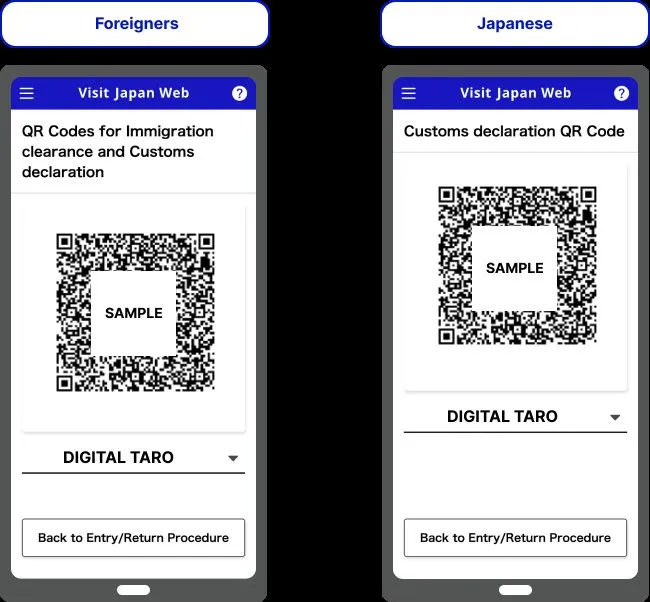
Entry procedures (Visit Japan Web)
- An official online service where you register your immigration and customs information before departure.
- Show the QR code at the airport for faster procedures.
- It can also be used for tax-free shopping during your stay.
02
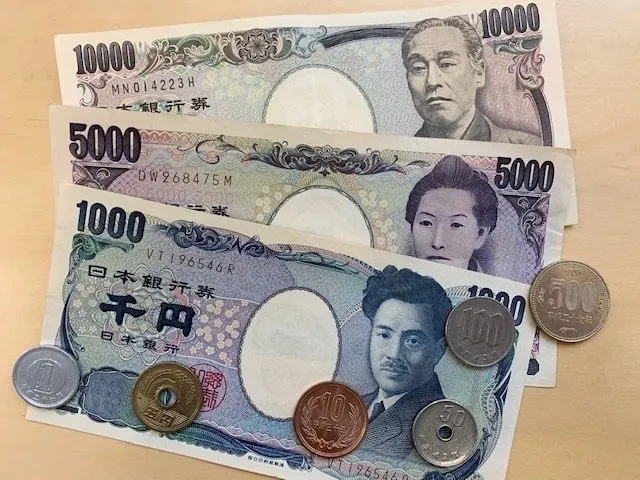
Money & payment
- Cards and cashless payments are increasingly accepted, but small restaurants, local shops and shrines may take cash only.
- Carry some yen. Convenience-store ATMs accept most overseas cards.
- Tipping is not customary in Japan.
03
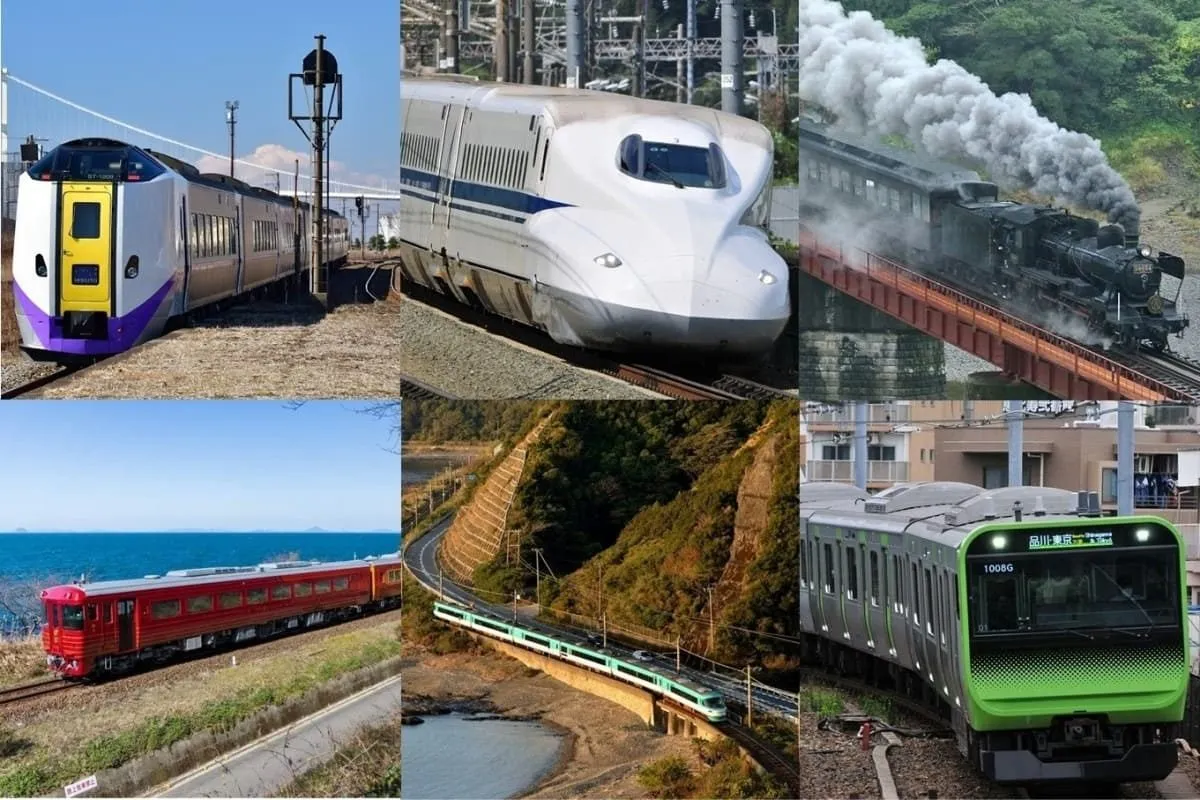
Getting around
- Trains and subways are the easiest way around Tokyo; buses and taxis are also available.
- Route-planner apps such as Google Maps make transfers easy.
- If you rent a car, note that Japan drives on the left and you need an international driving permit or equivalent.
04
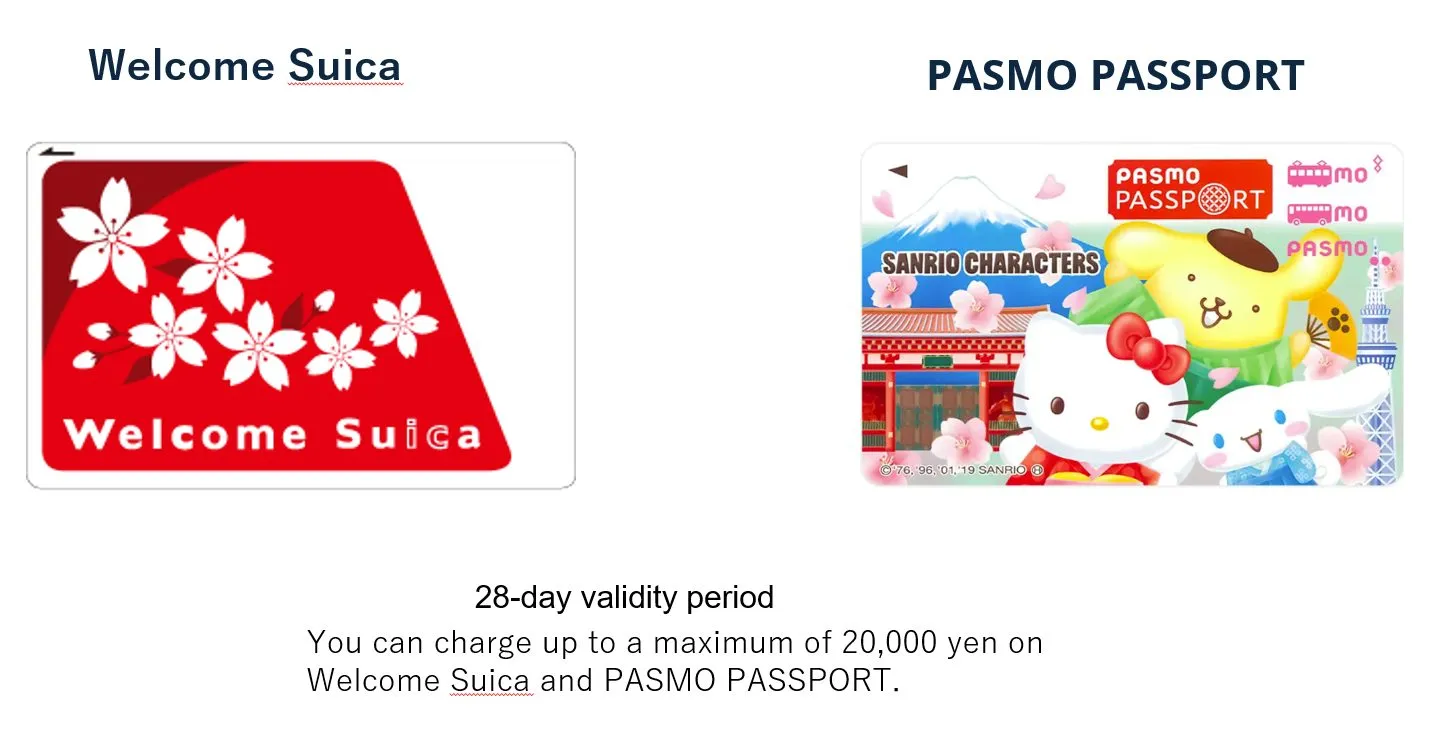
IC transport cards (Suica / PASMO)
- Top up an IC card and tap through gates on trains, subways and buses — no tickets needed. It also works at convenience stores.
- Suica and PASMO are sold at station ticket machines. Visitor versions — Welcome Suica and PASMO PASSPORT — are also available.
- You can also add Suica or PASMO to a smartphone wallet such as on iPhone.
05
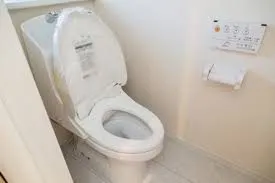
Toilets
- Public toilets at stations and parks are free and supplied with paper.
- Ask the staff before using a convenience-store toilet.
- Flush only toilet paper, and always flush after use.
06
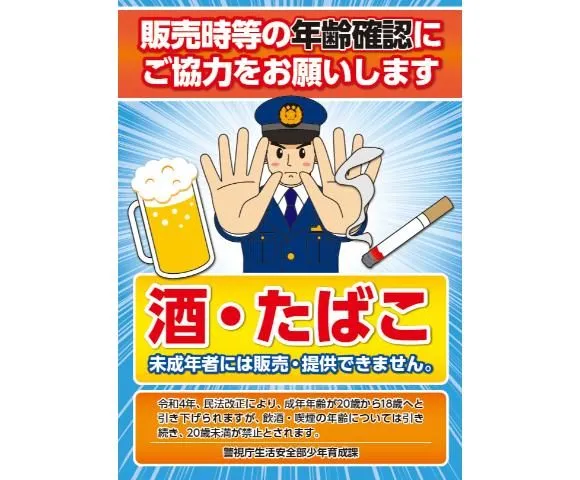
Smoking & alcohol
- Drinking and smoking under the age of 20 is prohibited by law.
- Smoking on the street is banned in much of Tokyo; please use designated smoking areas.
- Drink-driving is severely punished — never drive after drinking any alcohol.
07
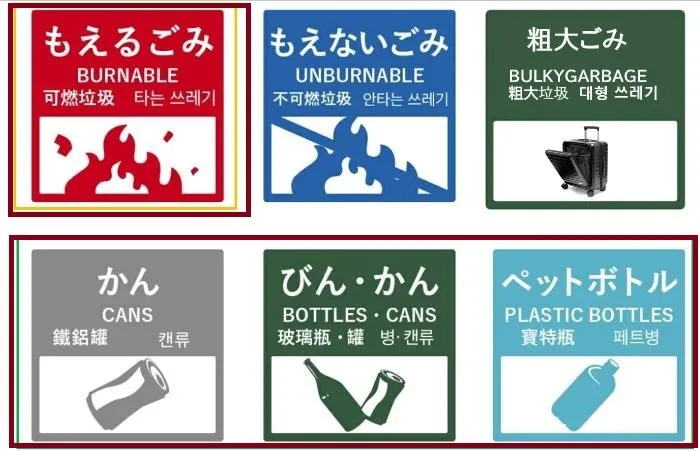
Sorting garbage
- Garbage is sorted in Japan. There are few public bins, so take your rubbish with you.
- Recyclables: PET bottles, cans, glass / Burnable: food waste, paper / Non-burnable: metal, glass, ceramics.
- Large items such as suitcases cost money to dispose of and cannot go out with normal garbage.
08
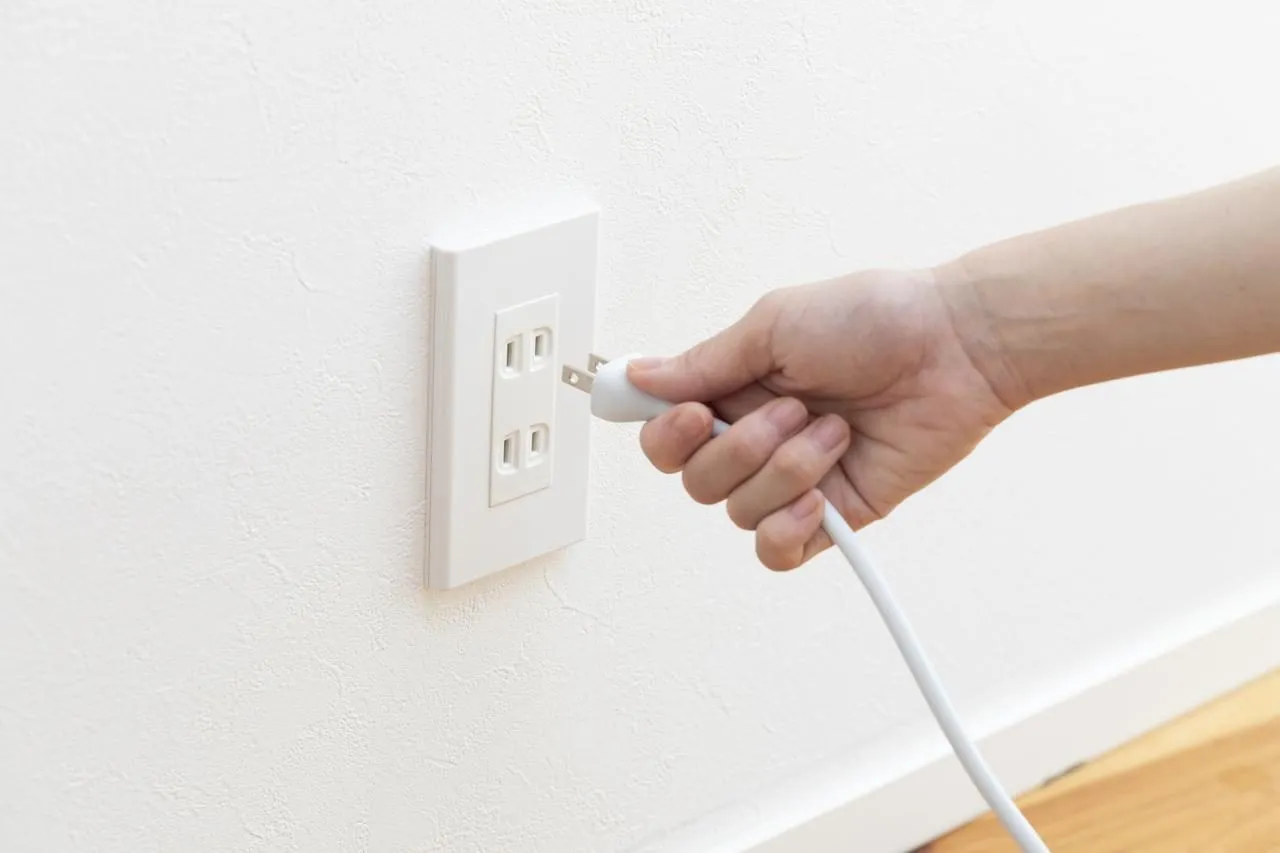
Electricity & plugs
- Japan uses 100 V with type A sockets (two flat pins).
- Bring a plug adapter if needed; some devices may also need a voltage converter.
- Phone chargers and cables are sold at convenience stores.
09
Internet (Wi-Fi & SIM)
- All Stay Dream homes have free, unlimited high-speed Wi-Fi.
- To use maps and route planners when out, get an eSIM, SIM card or pocket Wi-Fi — available at the airport.
- Free Wi-Fi is also available at some stations, convenience stores and cafés.
10
Seasons, weather & clothing
- Spring (Mar–May) and autumn (Sep–Nov) are pleasant; bring a light layer for cool mornings and evenings.
- Summer (Jun–Aug) is hot and humid. The rainy season runs mid-June to July, and typhoons may come Aug–Oct. Bring a hat, water and a folding umbrella.
- Winter (Dec–Feb) is mostly sunny but around 0–10 °C — pack a coat and gloves.
11
In an emergency
- Police: 110 / Ambulance & fire: 119 (free, from any phone, including mobiles).
- For help in English and other languages, call the JNTO Japan Visitor Hotline (050-3816-2787, 24 hours, multilingual).
- We recommend taking out travel insurance in case of illness or injury.
- If anything goes wrong during your stay, please contact your host first.
12
Earthquakes & disasters
- Japan has frequent earthquakes. If you feel shaking, protect your head (e.g. under a table) and do not rush outside until it stops.
- Our homes’ escape routes are the 1F entrance and 1F windows — please check them on arrival.
- Get disaster alerts in multiple languages with the “Safety tips” app supervised by the Japan Tourism Agency.
Rules and prices may change; please check each official website for the latest information.